
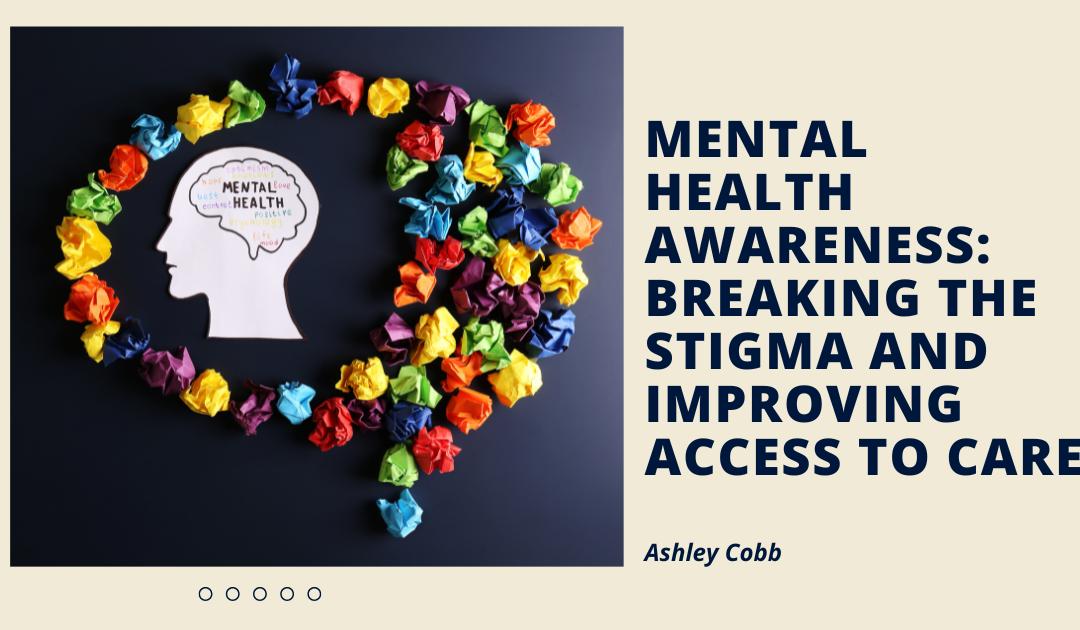
Mental health is an essential part of overall well-being, yet it remains one of the most misunderstood and stigmatized aspects of healthcare. Despite growing awareness, many individuals hesitate to seek help due to fear of judgment or lack of access to proper care. Breaking the stigma and improving mental health services is crucial to ensuring that everyone receives the support they need.
One of the main barriers to mental health care is the stigma surrounding mental illness. Many people still view conditions like anxiety, depression, and bipolar disorder as personal weaknesses rather than legitimate medical concerns. This misconception discourages individuals from seeking treatment and can lead to feelings of isolation and shame. Stigma often starts early, with children and adolescents being discouraged from discussing their emotions. Changing this perception requires open conversations about mental health, education about its biological and psychological factors, and public awareness campaigns that normalize seeking help.
Improving access to mental health care is equally important. Many individuals, especially those in rural or low-income areas, struggle to find affordable mental health services. Limited availability of mental health professionals, high treatment costs, and long wait times prevent people from receiving timely support. Expanding mental health resources through community-based programs, digital therapy options, and government initiatives can bridge this gap and make mental healthcare more accessible.
Workplace mental health programs can also play a significant role in reducing stigma and improving access to care. Many employees hesitate to discuss mental health concerns with their employers due to fear of discrimination. Companies that promote mental wellness through flexible work schedules, employee assistance programs, and mental health education create an environment where workers feel comfortable seeking help. Providing mental health days and integrating wellness initiatives can significantly improve productivity and job satisfaction.
Schools and educational institutions can be powerful platforms for early mental health intervention. Children and teenagers often struggle with academic pressure, social challenges, and personal insecurities, making them vulnerable to mental health issues. Schools that incorporate mental health education into their curriculum and provide counseling services help students develop healthy coping mechanisms. Encouraging open discussions about emotions and mental well-being from a young age can prevent issues from escalating into adulthood.
Social media and digital platforms have become both a challenge and an opportunity in mental health awareness. While they can contribute to anxiety and unrealistic expectations, they also serve as powerful tools for spreading mental health awareness. Online therapy platforms, mental health apps, and social media campaigns can reach a wide audience, providing support and resources to those in need. The key is to create a balance between digital consumption and real-world connections, ensuring that people use technology to enhance their mental well-being rather than harm it.
Community involvement is essential in breaking mental health stigma. Support groups, advocacy organizations, and local initiatives help individuals feel less alone in their struggles. Hearing personal stories from others who have faced similar challenges can encourage people to seek help without fear. Mental health awareness events, such as World Mental Health Day and local mental health walks, also contribute to reducing stigma and fostering a culture of understanding and support.
Healthcare systems need to prioritize mental health as they do physical health. Governments and policymakers must allocate more funding for mental health services, integrate mental health care into primary healthcare settings, and train more professionals to meet the increasing demand. Universal mental healthcare coverage and insurance policies that fully support mental health treatment are critical steps toward achieving mental health equity.
Mental health awareness is not just about recognizing mental illnesses but also about fostering an environment where individuals feel safe discussing their struggles and seeking help. By breaking the stigma, expanding access to care, and promoting education, society can create a world where mental health is valued as much as physical health. Everyone deserves access to mental health support, and the more we talk about it, the closer we get to a world where no one has to suffer in silence.