
Artificial intelligence (AI) is reshaping the healthcare industry, improving diagnostics, treatment plans, and patient care. By leveraging machine learning, big data, and automation, AI is enhancing medical decision-making, reducing human errors, and streamlining healthcare processes. From early disease detection to personalized treatment plans, AI is revolutionizing how healthcare is delivered.
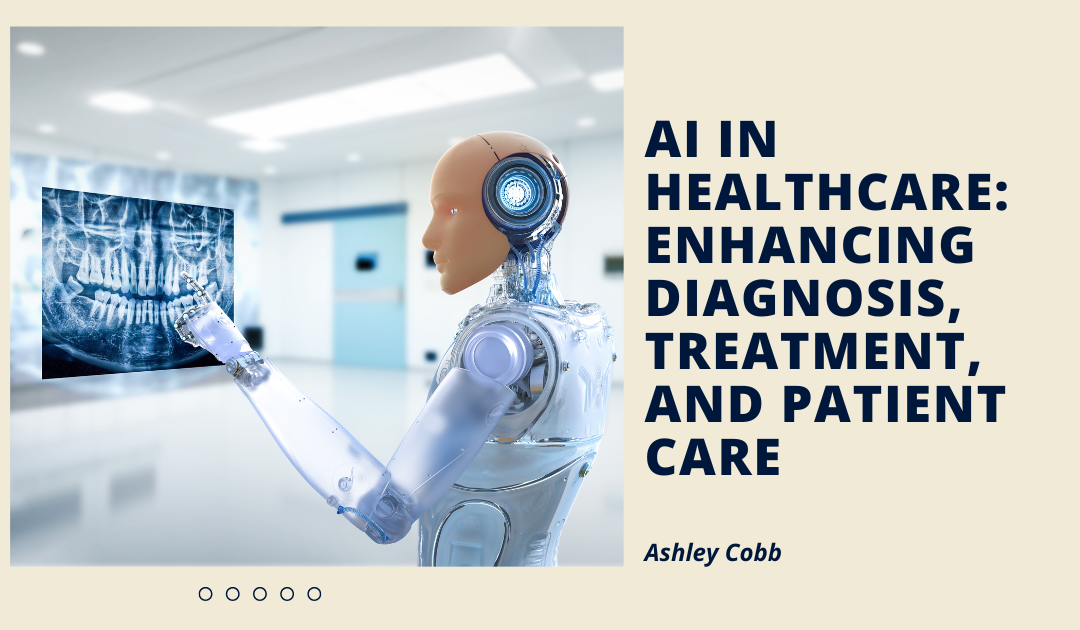
One of the most impactful uses of AI in healthcare is in diagnostics. AI-powered systems can analyze medical images such as X-rays, MRIs, and CT scans with remarkable accuracy. These systems can detect abnormalities, such as tumors or fractures, faster than traditional methods, allowing for early diagnosis and timely intervention. AI’s ability to analyze vast amounts of data enables it to identify patterns that might be missed by human physicians, improving diagnostic precision.
AI is also playing a crucial role in personalized medicine. By analyzing genetic data, AI can help determine the most effective treatments for individual patients. This approach is particularly useful in oncology, where AI can assess a patient’s genetic profile to recommend targeted therapies that increase treatment effectiveness while minimizing side effects. Personalized medicine powered by AI is shifting healthcare from a one-size-fits-all model to tailored treatment strategies.
In hospitals and clinics, AI-powered chatbots and virtual assistants are enhancing patient interactions. These tools provide instant responses to medical queries, schedule appointments, and remind patients about medications. Virtual assistants help reduce the workload on healthcare professionals, allowing them to focus on critical cases. Patients benefit from quicker access to information and improved communication with healthcare providers.
Robotic surgery is another area where AI is making significant advancements. AI-driven surgical robots assist doctors by providing enhanced precision, stability, and control during complex procedures. These robots can analyze real-time data and adjust movements accordingly, reducing the risk of human error. Minimally invasive surgeries powered by AI lead to shorter recovery times, reduced complications, and improved patient outcomes.
Remote patient monitoring is being transformed by AI-powered wearable devices. Smartwatches and biosensors can track heart rate, oxygen levels, and other vital signs in real-time. AI algorithms analyze this data and alert healthcare providers if irregularities are detected. This proactive approach allows for early intervention, reducing hospital admissions and improving patient well-being.
AI is also streamlining administrative tasks in healthcare. From medical record management to insurance processing, AI-powered automation is reducing paperwork, minimizing errors, and increasing efficiency. Predictive analytics help hospitals allocate resources more effectively, ensuring optimal patient care and cost management.
Despite its numerous benefits, AI in healthcare also faces challenges. Data privacy and security remain major concerns, as AI systems rely on vast amounts of patient information. Safeguarding sensitive medical data from cyber threats is crucial to maintaining patient trust. Strict regulations and ethical guidelines must be in place to ensure responsible AI use.
Another challenge is the need for human oversight. While AI can enhance healthcare, it cannot replace the expertise and empathy of medical professionals. AI should be used as a tool to support doctors, rather than substitute their judgment. A collaborative approach where AI complements human expertise will yield the best results in patient care.
As AI technology continues to evolve, its role in healthcare will expand further. Future advancements may include AI-powered drug discovery, automated mental health support, and even AI-driven prosthetics that adapt to a user’s movements. With ongoing research and development, AI will continue to enhance healthcare delivery, making it more accurate, accessible, and efficient.
AI’s potential in healthcare is limitless, offering innovative solutions that improve patient outcomes, optimize medical workflows, and drive medical advancements. As AI integration becomes more widespread, healthcare systems worldwide will benefit from its ability to enhance diagnosis, treatment, and overall patient care.