
Preventive healthcare focuses on taking proactive steps to maintain good health, detect diseases early, and reduce the risk of severe medical conditions. Rather than waiting for symptoms to appear, preventive healthcare emphasizes routine check-ups, screenings, vaccinations, and lifestyle modifications that help individuals stay ahead of potential health issues. Early detection is a crucial component of this approach, significantly improving treatment outcomes and saving lives.
One of the primary benefits of preventive healthcare is the ability to detect diseases at an early stage. Conditions such as cancer, diabetes, and cardiovascular diseases often develop silently, showing no symptoms until they reach advanced stages. Regular screenings, such as mammograms, colonoscopies, and blood pressure checks, help identify these conditions before they become life-threatening. Early diagnosis allows for timely treatment, increasing survival rates and reducing complications.
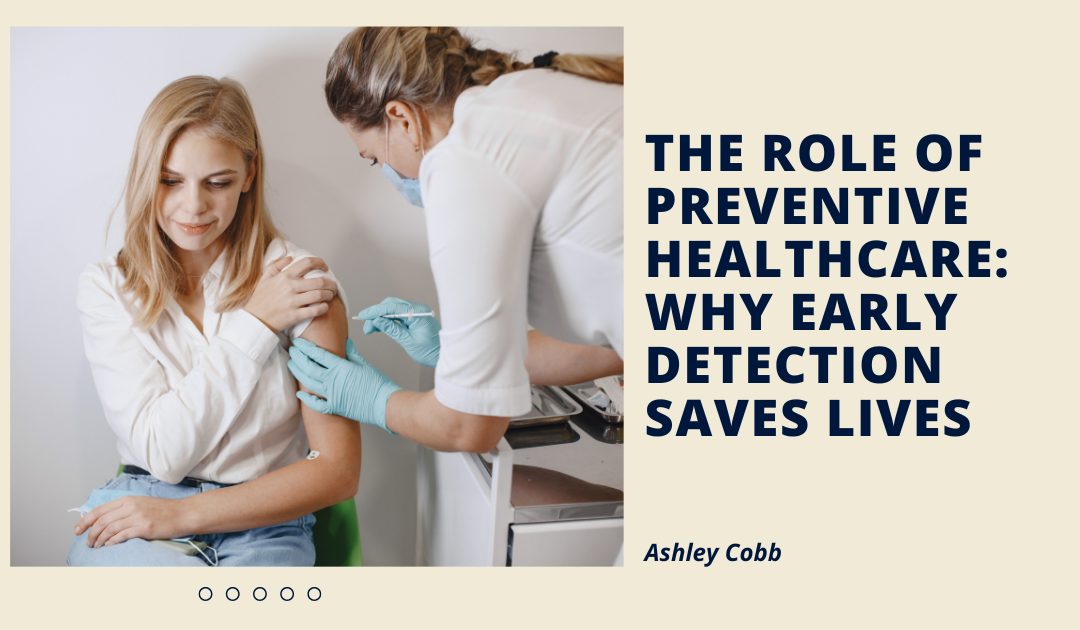
Vaccinations play a vital role in preventing infectious diseases. Immunization programs have successfully eradicated or controlled illnesses such as polio, measles, and hepatitis. Vaccines not only protect individuals but also contribute to herd immunity, preventing the spread of diseases within communities. Ensuring that children and adults receive recommended vaccines is a simple yet effective way to maintain public health and prevent outbreaks.
Routine health check-ups and screenings help individuals monitor their health status and make informed decisions. Blood tests, cholesterol checks, and vision and hearing exams provide valuable insights into a person’s overall health. Detecting warning signs early allows healthcare professionals to recommend lifestyle changes or medical interventions that can prevent serious health issues. For example, identifying high cholesterol levels early enables individuals to adjust their diet and exercise habits, reducing the risk of heart disease.
A significant aspect of preventive healthcare is lifestyle modification. Maintaining a balanced diet, engaging in regular physical activity, managing stress, and avoiding harmful habits such as smoking and excessive alcohol consumption can significantly reduce the risk of chronic diseases. Many health conditions, including obesity, hypertension, and type 2 diabetes, are largely influenced by lifestyle choices. Encouraging healthier behaviors through education and awareness campaigns can lead to long-term well-being.
Mental health is also an essential part of preventive healthcare. Stress, anxiety, and depression can have serious physical health consequences if left unaddressed. Regular mental health check-ins, therapy, and stress management techniques contribute to overall well-being and reduce the risk of mental and physical health complications. Preventive mental healthcare helps individuals recognize symptoms early and seek professional help before their condition worsens.
Employers and healthcare providers play a crucial role in promoting preventive healthcare. Workplace wellness programs that offer regular health screenings, fitness initiatives, and mental health support encourage employees to prioritize their health. Employers who invest in preventive healthcare initiatives benefit from healthier, more productive employees and lower healthcare costs.
Public health policies must also prioritize preventive care. Governments can implement policies that promote healthier environments, such as improving access to nutritious food, creating safe spaces for physical activity, and funding public health campaigns. Ensuring that preventive healthcare services are affordable and widely available can lead to a healthier population and lower overall healthcare costs.
Many people avoid preventive healthcare due to misconceptions, fear, or financial concerns. Some believe that if they feel healthy, there is no need for medical check-ups, while others worry about the costs associated with screenings and vaccinations. Addressing these concerns through education, affordable healthcare options, and community outreach can encourage more people to prioritize preventive care.
Investing in preventive healthcare leads to longer, healthier lives and reduces the burden on healthcare systems. By detecting diseases early, promoting healthy lifestyles, and ensuring access to routine screenings, preventive healthcare empowers individuals to take control of their well-being. A proactive approach to health not only saves lives but also improves the overall quality of life for individuals and communities alike.